
Shipping Container Guides.
Start with your question.
Eleven guides on buying a shipping container, written for people doing this for the first time. Each one settles a single question: how much space you need, what "used" actually means, whether a truck can reach the spot you have in mind, what moves the price, and who decides the permit question.
You do not have to read them in order, and most people should not. Find the question that is actually in your way, read that guide, and come back when the next one shows up. If you have never bought a conex box before and have no idea where to begin, there is a short path at the bottom of this page.
What are you trying to figure out?
Every guide below is listed by the question it answers rather than by its title, because nobody wakes up wanting to read a "condition guide." They want to know whether the rusty-looking one will leak. Pick the question that matches yours.
Figuring out which container you need
Five guides about the steel: how much room you actually need, what condition you are buying, what the numbers stamped on the side mean, whether the certification plate matters for your plans, and who is certified to inspect a box that needs to ship again.
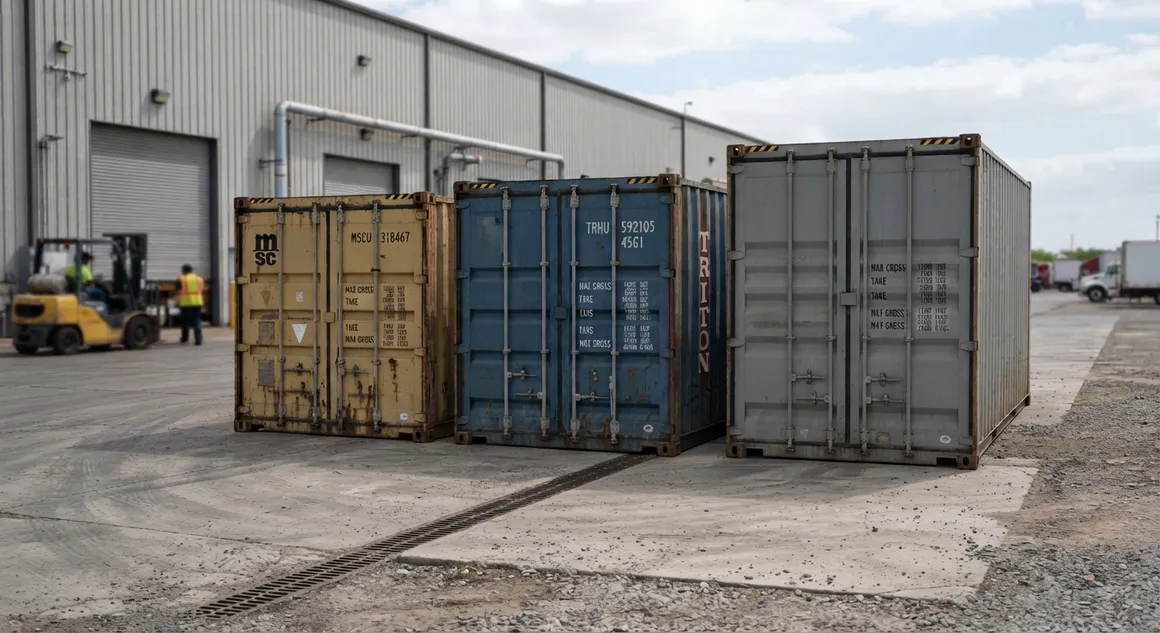
How big does it actually need to be?
Container sizes are standardised worldwide, so a 20ft box is a 20ft box wherever you buy it. This one walks through interior dimensions for the three common sizes and what genuinely fits inside each, so you order the footprint you need instead of the one that sounded right.
20ft · 40ft · 40ft high cube · Interior dimensions · Size calculator
Read the size guide → CNDCondition GuideWhat does "used" really mean, and will it leak?
Containers are graded by how much working life they have left, and the grade names are not obvious. This explains what Wind and Water Tight means in practice, what wear to expect on steel that spent a decade at sea, and what that grade does not cover.
Wind and Water Tight · Expected wear · Cor-Ten steel · What we sell
Read the condition guide → REFContainer ReferenceWhat do the codes stamped on the box mean?
The technical lookup, for when you want the exact figure rather than the summary. Full ISO dimensions for every size, how to read the eleven-character ID and the size and type code, and what the CSC plate records.
ISO 668 dimensions · ISO 6346 markings · CSC plate · Full size chart
Open the reference → CSCCertification GuideDoes my container need to be certified?
Every container carries a CSC plate that once cleared it for the open ocean. This one explains what that plate certifies, why the rules apply to international shipping rather than storage, and what a recertification survey involves if a box ever needs to sail again.
CSC plates · PES vs ACEP · Survey basics · Storage vs shipping
Read the certification guide → FNDContainer Inspector FinderWho can inspect a container for shipping?
Every IICL-certified container inspector in the US directory, grouped by state, with each one's credentials and the year they run through. For anyone whose box needs a recertification survey before it can ship: who exists, where they are, and how a survey actually gets booked.
Every US inspector · State by state · Credential badges · How to book a survey
Open the inspector finder →Getting it to your property, and paying for it
Two things decide whether an order is realistic: whether a truck can reach the spot you have in mind, and what the delivered number looks like once freight is included. How you pay for it belongs here too, including the question of whether you buy at all.
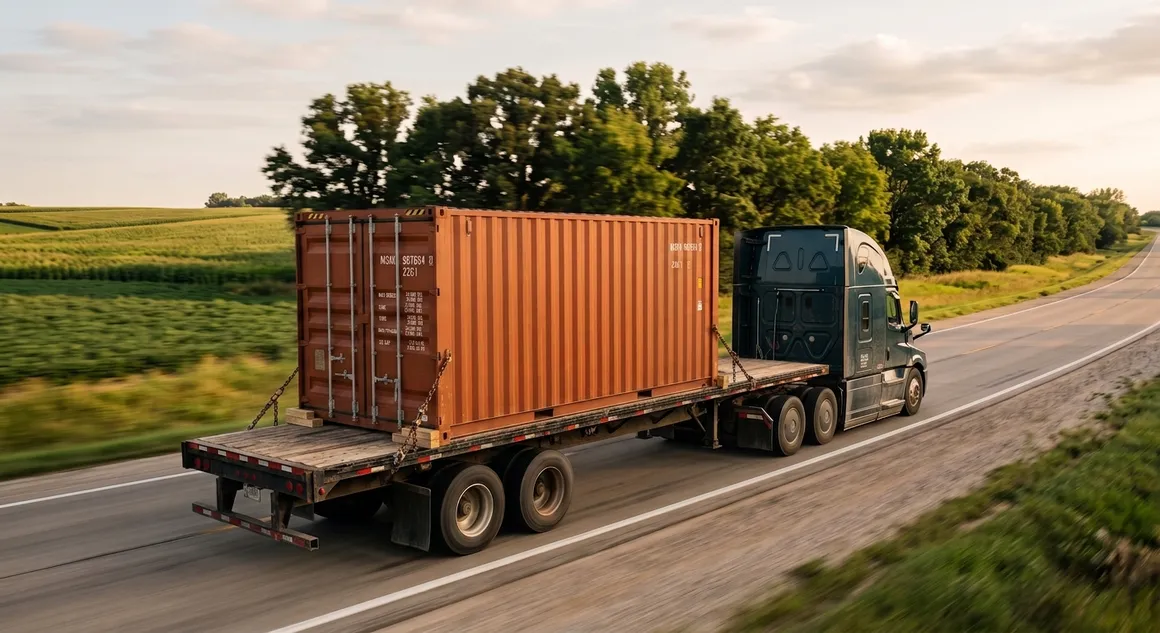
Can a truck actually get to the spot I want?
A loaded tilt-bed rig is roughly sixty-five feet of truck and needs a straight run to slide a container off. This covers how tilt-bed and crane-set delivery differ and the width, height, and ground clearances to measure before you order, not on delivery day.
Tilt-bed vs crane-set · Access clearances · Ground conditions · What to send us
Read the delivery guide → CSTCost GuideWhy are the quotes I am getting so different?
Container pricing moves with size, condition, how far the box has to travel from a depot, and the shipping market that month. This explains those four drivers and the one question that catches most hidden costs when you compare sellers.
The four price drivers · Freight · Delivered total vs sticker price
Read the cost guide → RTLContainer Rental GuideDo I have to buy it outright?
Renting, rent-to-own, and buying are three different arrangements that get talked about as if they were one. This separates them: what an open-ended monthly rental leaves you with, how a fixed term ends in ownership, the nine questions to ask any rental company, and which companies in this region we could verify actually rent. We do not rent, and the guide says so in its first line.
Rent vs rent-to-own vs buy · What to ask · Who rents near you
Read the rental guide → PODPortable Storage GuideDo I rent a PODS-style unit or buy the box?
Portable storage and shipping containers get sold under the same words and answer two different needs. This one separates them honestly: a rented pod fits a move or an end-dated project, an owned container fits storage that stays on your property, and the fork between the two is whether your stuff is going somewhere or staying put.
Rented pod vs owned box · Who should rent · Who should buy · Break-even
Read the portable storage guide →The homework that sits outside the transaction
Two guides worth reading early rather than late, because both of them can take longer to resolve than the delivery does.
Do I need a permit or zoning approval?
Requirements vary by county, municipality, and how you intend to use the container, and your local zoning or building department is the authority that decides. This guide describes what the question turns on and who to ask. Confirming it before you buy is the buyer's responsibility; we do not determine, advise on, or guarantee permit outcomes.
What the question turns on · Who decides · Ask before you buy
Read the permits guide → BUYBuying GuideHow do I know this seller is real?
The used container market has genuine scams: deposits taken by sellers who vanish, grades quoted and then downgraded at delivery, photos scraped from somebody else's yard. A seven-point checklist for vetting whoever you are about to pay.
Verify the business · Warranty in writing · Confirm the grade · Payment red flags
Read the buying guide →Some questions are arithmetic, not reading
These are calculators rather than guides, which is why they are not in the count above. Each one takes something you supply, a load to store, a pair of quotes, a number off a container door, and hands back one answer. None of them fills anything in for you.
Which size do I actually need?
Takes what you plan to store, in pallets or vehicles or rooms of furniture, and works out which of the three common lengths holds it with room to walk. Sizing by what fits beats sizing by what sounded right.
Open the calculator → RVBRent vs Buy CalculatorHow long before buying costs less than renting?
Puts a monthly rental rate plus its delivery and pickup on one side, a container bought and delivered on the other, and finds the month where the two totals cross. Enter your own numbers; nothing is filled in for you.
Open the calculator → CHKCheck Digit CalculatorDoes this container number check out?
Takes the 11-character number stencilled on a container and says whether the boxed check digit agrees with the other ten, or works the digit out if you only have the first ten. Shows every row of the arithmetic, and is straight about how little a match proves.
Open the calculator →Everyone in this trade uses different words for the same steel box.
You will hear the same object called four things in one phone call, and you will see grades and acronyms nobody bothers to define. Here is what the words mean, so you can tell when two sellers are quoting the same thing under different names and when they genuinely are not.
- Shipping container
- The standardised steel box built to carry freight by ship, rail, and truck. When one retires from cargo service it usually gets a second life sitting on the ground as storage, and that second life is what most buyers are shopping for.
- Conex boxAlso: conex, conex container
- The same object under an older name. CONEX was a US military term, short for Container Express, for the steel boxes used to move supplies, and the word stuck. Contractors, farmers, and veterans often say conex where a dealer's website says container. Nothing about the product changes with the word.
- Sea can
- Regional slang for a used shipping container, most common in Canada and the northern states. It carries the same meaning as conex. If a seller advertises sea cans, they are advertising used containers.
- ISO container
- A container built to the International Organization for Standardization's dimensional standard, ISO 668. That standard is the reason a 20ft box from any yard on earth is the same length and rides the same truck chassis. "ISO container" describes standard sizing, not quality: it says nothing about condition.
- One-trip
- A container that made a single loaded voyage from the factory, usually out of Asia, and was then sold rather than put back into rotation. It is the closest thing to new that is commonly available, and it is priced accordingly. We sell used, not one-trip
- Wind and Water TightAlso: WWT
-
The used grade that is structurally sound and seals out rain, wind, snow, and pests, with
the cosmetic wear a working life produces: surface rust, dents, scratches, patched spots,
and floors that show their age. Sound and sealed, not showroom. It is the only grade
Steel Box Direct sells.
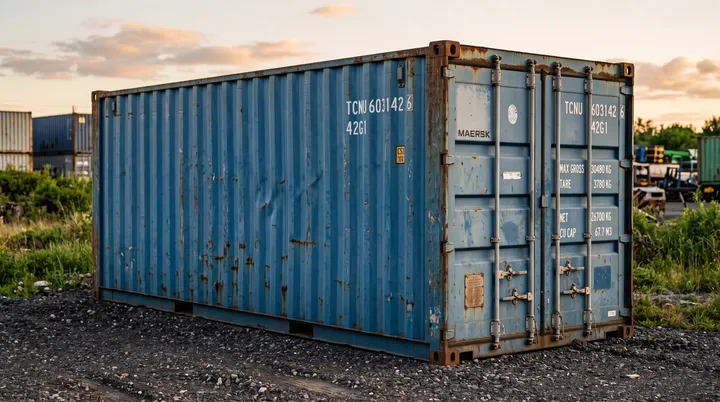
A typical WWT unit as it sits in the yard. Cosmetically used, and that is normal. - High cube
-
A container one foot taller than standard, 9ft 6in of exterior height instead of 8ft 6in,
on the same footprint. The extra headroom matters for tall equipment, for racking, and
for any conversion where a finished floor and ceiling will eat into the interior height.
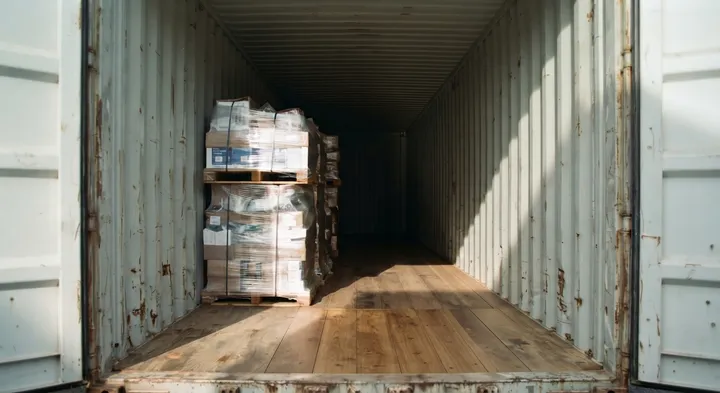
Where the extra foot shows up: headroom over a loaded pallet, not extra floor. - Rent-to-ownAlso: lease-to-own, rent-to-buy, lease-to-buy
- A fixed-term payment arrangement that ends in ownership: you make monthly payments across an agreed term and the container is yours at the end of it. That is the difference from renting, which is open-ended and leaves you owning nothing however long you pay.
- You will hear all four names used interchangeably in this market for that same basic idea, so read the agreement rather than the label: the term length, the payment, and who administers it are what actually differ between offers.
- CSC plateAlso: Safety Approval Plate
-
The metal plate fixed near a container's doors, required under the IMO's international
convention for safe containers. It records the unit's identity and its approval and
inspection history, and it stays with the box for its working life. Asking for a photo of
the plate is the simplest way to confirm a seller is showing you a specific, real
container and not a picture from somebody else's yard.
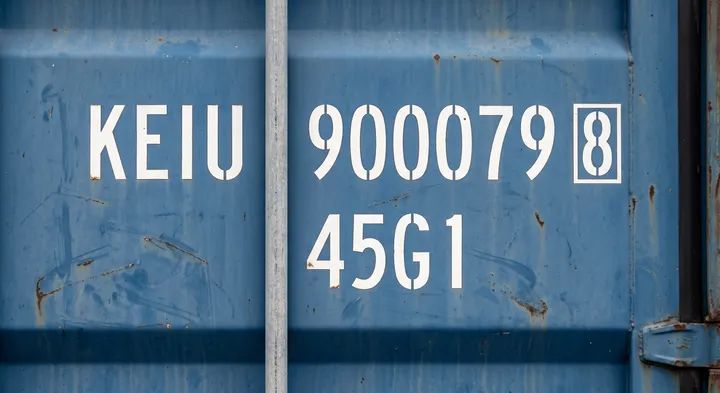
The unit ID, repeated on the CSC plate by the doors. This is the number a photo has to show.
Three questions people ask before they pick a guide.
Is a conex box the same thing as a shipping container?
Yes. Conex box, sea can, ISO container, and shipping container all describe the same standardised steel freight box. Conex comes from an old US military term, sea can is regional slang, and ISO refers to the dimensional standard the box is built to. The name a seller uses tells you about their background, not about the product.
Which guide should I read first if I have never bought a container?
Start with size, then delivery, then cost. Size comes first because it decides the price, the truck, and how much room the driver needs. Delivery comes second because access is the one factor that can rule a plan out entirely, and finding a low branch or a soft turn now is far cheaper than finding it with a loaded truck at the end of your drive. Cost comes third, once you know what you are buying and how it gets in. That is about fifteen minutes of reading, and the short path at the bottom of the guides hub walks the same three in order.
Do I need a permit for a shipping container?
It depends on where the container is going and how you intend to use it. Permit and zoning requirements vary by county, municipality, and intended use, and your local zoning or building department is the authority that decides. Confirming the requirements for your property before you buy is the buyer's responsibility; we do not determine, advise on, or guarantee permit outcomes. Our permits and zoning guide describes what the question turns on and who to ask.
The permits answer above names the office that decides rather than predicting an outcome, because that is the only honest version. Our permits and zoning guide goes through what the question turns on and who to call.
No idea where to begin? Start here.
The router above is deliberately unordered, because most people arrive with a specific question. If you do not have one yet, this is the order that saves the most wasted effort. Three of the eleven guides, roughly fifteen minutes.
Size it
Start with what has to fit, because the answer changes everything downstream: the price, the truck, and the amount of room the driver needs. Measure the largest thing going inside and work outward from there.
Size guide →Check the access
Do this second, not last. Access is the one factor that can rule out a plan entirely, and it is far cheaper to discover a low branch or a soft turn now than with a loaded truck idling at the end of your drive.
Delivery guide →Understand the number
Once you know the size and how it gets in, the cost guide tells you what is actually moving the quotes you receive, and what to ask so you are comparing delivered totals rather than sticker prices.
Cost guide →One thing worth doing early
If the container is going inside city limits, into a deed-restricted or HOA neighborhood, or you are planning to use it as anything other than plain storage, look at the permits and zoning guide near the start rather than the end. Those requirements are set by your county or municipal authority, not by us, and getting an answer from them can take longer than getting a container delivered.
Confirming what applies to your property is the buyer's responsibility. We are glad to help with size, condition, delivery, and cost.
Still have a question
the guides did not answer?
Ask a person. A quote is information, not a commitment: tell us the size you are considering and your ZIP, and we will come back with a real delivered number and an honest timeline.
Request a quote